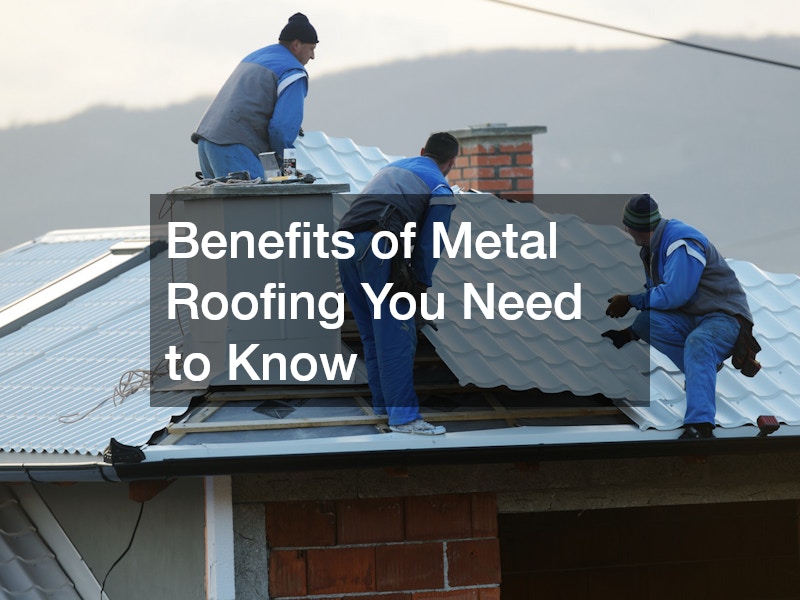

Metal roofing has become increasingly popular in recent years due to its durability, energy efficiency, and aesthetic appeal. In this article, we explore the most significant benefits of metal roofing and answer common questions homeowners have about this roofing option.
How Durable are Metal Roofs?
Longevity and Resilience
Metal roofs are known for their long lifespan, often lasting 40-70 years depending on the material. This remarkable longevity far exceeds traditional roofing options such as asphalt shingles, which generally last 15-30 years.
This durability is largely due to metal’s inherent resilience against harsh weather conditions. Metal roofing can withstand everything from heavy snow and ice to torrential rain, strong winds, and even the impacts of hail.
The toughness of metal roofing materials such as galvanized steel, aluminum, and copper makes them an ideal choice for regions susceptible to severe weather patterns. Installation of a metal roof can provide peace of mind, knowing that the structural integrity of the home is well-preserved over time.
Resistance to Environmental Elements
Metal roofs offer superior resistance to various environmental elements, contributing to their low-maintenance nature. They do not suffer from issues such as rot or mold, which are common with wooden or shingle roofs.
Furthermore, metal roofing is impervious to damage from insects such as termites, which can cause structural concerns in other roofing types. This inherent resistance helps reduce maintenance costs, as homeowners do not need to worry about regular pest control or water damage.
Additionally, metal roofs are non-combustible, providing an added layer of protection against fire hazards. Homeowners in wildfire-prone areas find this feature particularly valuable, offering safety and peace of mind.
Are Metal Roofs Energy Efficient?
Thermal Performance
Metal roofs are designed to reflect solar radiant heat, which can significantly reduce cooling costs by 10-25%. This ability to reflect heat is especially beneficial in warm climates, where air conditioning costs can be substantial.
The thermal performance of metal roofing isn’t solely beneficial in hot weather; it also provides insulation against heat loss during colder months. Homeowners across various geographies find that metal roofs contribute to a consistent and comfortable indoor temperature year-round.
Advancements in technology have led to coatings and finishes for metal roofing that improve energy efficiency even further. With options like cool roof pigments, homeowners can enhance the energy-saving properties of their roofs to suit specific climate needs.
Eco-Friendly Materials
Many metal roofs are made from recycled materials, making them a sustainable choice for eco-conscious homeowners. The majority of these roofs contain at least 25-95% recycled content, depending on the specific material chosen.
At the end of their very long life, metal roofs are 100% recyclable, which means they do not contribute to landfill waste. This factor positions metal roofing as an environmentally friendly option in the building industry.
The sustainability of metal roofing is further enhanced by its lightweight nature, which reduces fuel consumption during transportation. When considering energy efficiency and sustainable materials, metal roofs are a top-tier choice.
What is the Cost of Metal Roofing?
Initial Investment vs. Long-term Savings
The initial cost of metal roofing is generally higher than traditional shingle roofs; however, it is important to consider the long-term financial benefits. Due to its durability and low maintenance requirements, metal roofing can lead to significant savings over time.
Homeowners who choose metal roofs often find that the longer life span outweighs the initial expense, as there is little need for frequent repairs or replacements. Over several decades, the reduced repair and maintenance costs contribute to the roof’s overall cost-effectiveness.
Insurance companies sometimes offer discounts on homes with metal roofs due to their fire-resistant properties and durability. This additional aspect can help mitigate any concerns regarding the upfront investment.
Variety in Options and Pricing
The variety of metal roofing materials available means that homeowners have a range of options to suit their budgets and aesthetic preferences. Steel, aluminum, and copper are common choices, each with unique benefits and price points.
Steel, often galvanized for added protection, is a more affordable option yet still offers excellent longevity and resilience. Aluminum is lightweight and resistant to corrosion, particularly in coastal regions, making it a great choice for coastal homes.
Copper, while more expensive upfront, provides unparalleled durability and a distinctive aesthetic appeal with its natural patina over time. The choice between these materials allows homeowners to find an option that aligns with their financial and stylistic goals.
Metal roofing offers a variety of benefits, including durability, energy efficiency, and eco-friendliness, making it an excellent choice for homeowners. While it may require a higher initial investment, its long-term advantages and minimal maintenance requirements make it a worthwhile option for those looking to upgrade their roofs.