
Modern homes rely on electricity for nearly every aspect of daily life—from lighting and appliances to heating, cooling, and entertainment. As technology advances and households consume more power, older electrical systems may struggle to keep up. Understanding when and why to invest in an electrical panel upgrade is essential for safety, efficiency, and convenience. In this article, we’ll explore the signs that your home may need a panel upgrade, the benefits of updating your system, and what you can expect in terms of cost and service.
What Are the Signs You Need an Electrical Panel Upgrade?
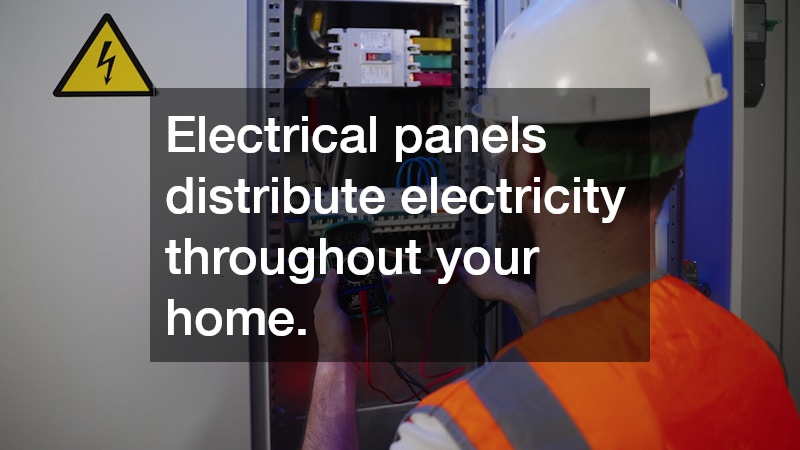
Electrical panels, sometimes referred to as breaker boxes, distribute electricity throughout your home. When a panel is outdated or overloaded, it can create safety risks and affect daily functionality.
Here are some common indicators that it may be time for an upgrade.
One of the most noticeable signs that your electrical panel is struggling is frequent breaker trips. If lights flicker or circuits shut off unexpectedly, it may indicate that your panel cannot handle your home’s electrical load. Over time, repeated trips can wear out breakers and wiring, increasing the risk of hazards. Consulting a local electrician can help determine if a simple repair is sufficient or if a full electrical panel upgrade is necessary.
Homes with outdated electrical systems often lack sufficient outlets to meet modern demands. If you find yourself relying heavily on extension cords or power strips, this is a warning sign. Overloaded outlets can cause overheating and pose fire risks. Upgrading your panel allows for additional circuits and outlets, providing the capacity needed for today’s appliances, electronics, and smart home devices.
Electrical panels don’t last forever. Panels installed decades ago may use outdated technology that is no longer safe or efficient. Older panels might lack safety features found in modern systems, such as arc fault protection or ground fault circuit interrupters. Signs of wear, rust, or corrosion are also indications that it’s time to call a local electrician for a professional assessment. An electrical panel upgrade ensures your home meets current safety standards and reduces the risk of electrical malfunctions.
Why an Electrical Panel Upgrade Is Important
Upgrading your electrical panel is more than just a convenience—it has long-term benefits for safety, efficiency, and property value.
Safety is the foremost reason for an electrical panel upgrade. Outdated or overloaded panels increase the risk of electrical fires, shocks, and damage to appliances. Modern panels incorporate advanced circuit breakers and safety features that protect your home and family. By hiring qualified electrical technicians, you ensure the installation is done safely and complies with local building codes.
Older panels can waste energy due to inefficient wiring or outdated components. A new panel distributes power more effectively, reducing the strain on circuits and appliances. Improved efficiency not only ensures that your home’s electronics function reliably but can also contribute to lower energy bills over time. Professional electrician service guarantees that the upgrade is optimized for your specific electrical needs.
An updated electrical system is an attractive feature for potential buyers. Homes with modern electrical panels are safer, more efficient, and better equipped to handle contemporary appliances. Investing in an electrical panel upgrade can enhance your home’s resale value and appeal, making it a smart financial decision in addition to a safety measure.
How Much Does an Electrical Panel Upgrade Cost?
The cost of an electrical panel upgrade can vary widely depending on several factors, but understanding what affects pricing can help you plan for the investment.
Several elements determine the cost of upgrading your electrical panel, including the size of the panel, the complexity of your home’s wiring, labor costs, and any necessary permits. Homes with older wiring or limited access to the existing panel may require additional work, which can increase the overall expense. Hiring experienced electrical technicians ensures that the work is done efficiently and safely, potentially reducing hidden costs.
On average, homeowners can expect to pay between $1,500 and $3,500 for a standard electrical panel upgrade. High-capacity upgrades, such as moving from 100-amp to 200-amp service, may cost $3,000 to $5,000 or more. Prices vary based on location, home size, and the quality of materials used. A local electrician can provide an accurate estimate tailored to your home and electrical needs.
Many electrician services offer financing options to make panel upgrades more manageable. Some utility companies and municipalities also provide incentives for electrical system improvements, particularly if the upgrade improves energy efficiency. Discussing these options with your local electrician can help you plan a cost-effective upgrade without compromising on safety or quality.
An electrical panel upgrade is a critical investment in the safety, efficiency, and value of your home. Frequent breaker trips, reliance on extension cords, and aging panels are clear signs that it’s time to consult a professional electrician. Beyond safety, upgrading your panel improves energy efficiency and increases property value, making it a smart long-term decision.
By relying on a trusted electrician service, you ensure that your panel upgrade is completed safely, efficiently, and according to local building codes. Don’t wait for electrical issues to escalate—upgrading your electrical panel now protects your home, your family, and your investment for years to come.