

The concept of the “home” continues to evolve from a mere place of residence into a multi-functional sanctuary. Homeowners today are looking for more than just aesthetic beauty; they are seeking structural resilience, environmental sustainability, and high-tech luxury that rivals a five-star resort. Whether you are looking to protect your investment from the elements or transform your backyard into an entertainment hub, this season is the perfect time to pull the trigger on those long-awaited projects.
Securing Your Home’s Structural Integrity

The foundation of a great home is, quite literally, the foundation. Before you invest in high-end finishes, you must ensure the “bones” of your house are protected against the shifting soil and groundwater levels that have become more volatile in recent seasons.
Addressing Hidden Shifts and Soil Stability
Current climate trends have seen significant fluctuations in soil moisture, leading to unprecedented settling in many residential areas. Structural integrity is not something you can afford to ignore, as minor issues today can lead to catastrophic expenses tomorrow.
-
Expert Recommendation: Conduct a monthly “perimeter walk” of your home. Look for stair-step cracks in the mortar between bricks, gaps forming around window casings, or interior doors that suddenly refuse to latch.
-
Early Detection: Many homeowners mistake drywall cracks for “natural settling.” If a crack is wider than a quarter-inch or is accompanied by a sloping floor, it is time for a professional assessment.
-
Professional Intervention: Engaging a team for foundation repair is the only way to permanently stabilize a structure. Modern techniques such as helical piers or hydraulic jacking allow specialists to lift the home back to its original position without total excavation.
-
Long-Term Resilience: Beyond just fixing the cracks, professionals can install sensors to monitor future soil movement, giving you peace of mind that your home remains on solid ground.
Shielding Against Seasonal Ground Moisture
Water is a home’s greatest enemy. As heavy seasonal rains become more common, ensuring your lower levels remain dry is critical for both structural health and the respiratory safety of your family.
-
Maintenance Milestone: Inspect your sump pump during a rainstorm. If it’s cycling every few seconds, it may be undersized for the current water table. Additionally, look for “efflorescence”—a white, powdery mineral deposit on walls—which indicates water is pushing through the concrete.
-
Comprehensive Barriers: Standard “waterproof” paint is rarely enough. True protection involves interior drainage systems and heavy-duty, 20-mil vapor barriers that encapsulate the space.
-
Health and Safety: Utilizing professional basement waterproofing services does more than stop puddles; it controls humidity. High humidity leads to mold and mildew, which can circulate through your entire HVAC system.
-
Value Addition: A dry basement is the first step toward adding livable square footage. By securing the perimeter now, you set the stage for a future guest suite or home office that is guaranteed to stay moisture-free.
Enhancing Your Exterior and Curb Appeal
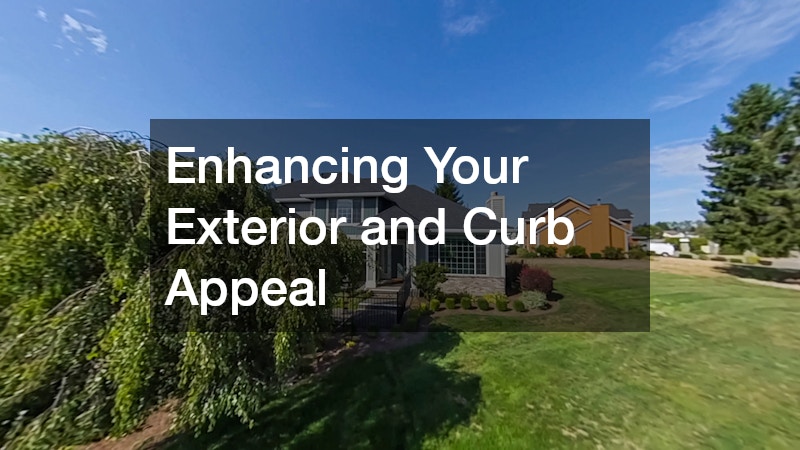
The exterior of your home is your first line of defense against the elements and your primary source of curb appeal. Modern homeowners are leaning toward materials that offer “lifetime” durability rather than temporary fixes.
Modernizing the First Line of Defense
Your roof is more than just shingles; it is a complex system of ventilation, insulation, and shedding. With the increased frequency of hail and high winds, your roof needs to be tougher than ever.
-
Homeowner To-Do: Instead of climbing a ladder, consider hiring a service to do a drone inspection. This provides high-resolution imagery of every flashing and ridge cap without risking a fall.
-
Material Selection: Synthetic slate and impact-resistant asphalt shingles are the top choices this year. These materials often come with 50-year warranties and can significantly lower your homeowner’s insurance premiums.
-
Efficiency Gains: A necessary roof replacement is the ideal time to upgrade your attic’s ventilation. Proper airflow prevents “ice damming” in the winter and keeps your attic from becoming a furnace in the summer.
-
Timeline Management: Most contractors are booked out months in advance. Aim to sign contracts in the early spring to ensure your home is sealed before the autumn storm season arrives.
Maximizing Waterfront and Shoreline Utility
For those lucky enough to live on the water, the transition between land and lake is the most valuable part of the property. However, water levels have been unpredictable lately, requiring more robust shoreline structures.
-
Strategic Checklist: Inspect your current pilings for signs of marine borers or wood rot at the waterline. If the structure sways when you walk on it, the integrity has been compromised.
-
Sustainable Design: “Living shorelines” are trending this year. This involves using natural vegetation and stone to prevent erosion while providing a habitat for local wildlife, often required by new environmental regulations.
-
Customization: Partnering with expert dock builders allows you to design a space that fits your specific needs, whether that’s a motorized boat lift, a secondary sun deck, or integrated underwater fishing lights.
-
Permitting Today: Shoreline construction involves complex layers of local and state permits. Working with a specialist who understands “riparian rights” and environmental impact studies is essential to avoid heavy fines.
Precision Climate Control and Efficiency
Energy costs remain a primary concern for the modern household. Upgrading your HVAC system isn’t just about comfort; it’s about making your home smarter and cheaper to operate.
Optimizing Current Systems for Peak Demand
Before the heat of summer or the chill of winter sets in, your existing systems need to be pushed to their peak efficiency. A neglected system works harder, uses more power, and dies sooner.
-
Practical Step: Beyond changing filters, ensure that your outdoor condenser unit has at least two feet of clear space from plants and debris. This allows the unit to “breathe” and exchange heat efficiently.
-
Performance Testing: A professional technician will check the “delta-T”—the temperature difference between the air going in and the air coming out—to ensure the system is actually cooling the air, not just moving it.
-
Efficiency Boost: Scheduling a comprehensive ac tune up ensures that all electrical connections are tight and the refrigerant charge is exact. A system that is off by just a few ounces of coolant can cost hundreds of dollars in wasted energy over a season.
-
Smart Integration: Link your HVAC to a smart home hub that can use “geofencing.” This allows the system to power down when you leave the house and begin cooling or heating as you drive back, ensuring you never pay for comfort you aren’t using.
Investing in Sustainable Thermal Exchange
For those looking at the long-term future of their home, traditional furnaces and air conditioners are being replaced by systems that harness the earth’s natural, constant temperature.
-
Decision-Making Guide: Consider your property size. If you have a large yard, a horizontal loop system is cost-effective. If space is tight, a vertical loop system—drilled deep into the ground—provides the same benefits in a smaller footprint.
-
Year-Round Comfort: Unlike air-source pumps that struggle in extreme cold, these systems pull heat from the ground, where the temperature stays around 55 degrees Fahrenheit year-round.
-
The Financial Picture: While the upfront cost is higher, the availability of geothermal heating and cooling tax credits makes this a financially savvy move. Most homeowners see the system pay for itself in energy savings within seven to ten years.
-
Environmental Impact: These systems represent the gold standard of eco-friendly living. By eliminating on-site combustion, you improve your indoor air quality and eliminate the risk of carbon monoxide leaks.
Transforming the Backyard into a Private Resort

The trend of “staycations” has solidified the backyard as the primary zone for relaxation and social gathering. A well-designed outdoor space should feel like an extension of your indoor living room.
Creating a Custom Aquatic Oasis
A pool is no longer just a hole in the ground filled with water; it’s a centerpiece of architectural design. Today, the focus is on “wellness pools” that offer both exercise and relaxation.
-
Design Strategy: Work with your designer to create a “shallow-depth” pool. Most people spend 90% of their time standing in waist-deep water. Large “Baja shelves” for lounge chairs are currently more popular than deep ends for diving.
-
Modern Aesthetics: Darker interior finishes, such as midnight blue or charcoal pebble, help the water retain heat from the sun and create a sleek, modern look that mirrors a high-end spa.
-
Seamless Integration: A qualified pool builder will help you navigate the placement of the pool to maximize sun exposure while ensuring it doesn’t interfere with existing underground utilities or drainage patterns.
-
Automation: Modern pools are entirely “hands-off.” You can now control the heater, the salt-chlorine generator, and the robotic cleaner from your smartphone, ensuring the water is perfect before you even step outside.
Sustainable Water Maintenance and Purity
As we become more conscious of chemical usage, the way we maintain our pools is shifting toward advanced filtration that mimics industrial-grade water purification.
-
Proactive Measure: If you find yourself constantly adding “shock” to your pool but the water remains cloudy, you likely have high levels of Total Dissolved Solids (TDS). This makes your chemicals ineffective.
-
Chemical Reduction: Rather than using harsh acids or dumping the water, a reverse osmosis pool service can filter your water at a molecular level. This removes calcium, salts, and contaminants while leaving the water crystal clear.
-
The “Soft Water” Experience: This process results in water that feels silky on the skin and won’t sting the eyes. It also protects your expensive pool equipment from scale buildup, extending the life of your heaters and pumps.
-
Water Conservation: In many regions, water restrictions make draining a pool nearly impossible. Molecular filtration allows you to recycle 85% of your existing water, making it the most responsible choice for the current climate.
Luxury Amenities for Wellness and Leisure
Once the structure is sound and the landscape is set, it is time to focus on the upgrades that provide daily joy and stress relief.
Year-Round Hydrotherapy and Relaxation
Hot tubs have seen a massive technological leap. They are no longer energy-hungry “bubbles boxes” but sophisticated recovery tools used by athletes and homeowners alike for stress management.
-
Quick Tip: Look for “full-foam” insulation. This not only keeps the water hot for pennies a day but also provides structural support for the internal plumbing, preventing leaks caused by vibration.
-
Installation Logistics: A standard six-person tub can weigh over 5,000 pounds when filled. Ensure your concrete pad is at least four inches thick with reinforced rebar to prevent cracking.
-
Finding the Right Fit: When browsing various hot tub companies, pay attention to jet placement. True hydrotherapy requires jets aligned with the “meridians” of the back and neck, rather than just random water pressure.
-
Privacy Landscaping: To truly enjoy your spa, plant “living fences” like arborvitae or install decorative cedar slats to create a sense of enclosure without blocking the breeze.
Designing the Ultimate Immersive Media Space

With the rise of 8K streaming and spatial audio, the “home theater” has moved from the basement into high-traffic areas of the home, often featuring hidden tech that appears only when needed.
-
Immediate Improvement: Lighting is the most overlooked element of a media room. Use “blackout” cellular shades and dimmable LED zones to ensure that no glare hits the screen during a midday movie.
-
Acoustic Engineering: Sound bounces off hard surfaces like hardwood floors and glass windows. Using heavy curtains, plush rugs, and hidden acoustic panels will make a $1,000 sound system sound like a $10,000 one.
-
The Cinematic Experience: DIY setups often suffer from “cable clutter” and poor speaker calibration. A professional home theater installation ensures that your 7.1.4 Atmos system is tuned to the specific dimensions of your room, creating a true “bubble” of sound.
-
Multi-Use Design: The current trend is the “Media Lounge.” This replaces the traditional rows of theater seats with deep, oversized sectionals and a bar area, making the space more conducive to social watching and gaming.
The Logistics of Large-Scale Upgrades
Undertaking significant home improvements requires more than just a budget; it requires a project management mindset. As you look at the options above, consider the following workflow to ensure success:
-
Prioritize the “Wet and Heavy”: Always handle foundation and waterproofing issues first. There is no point in building an expensive home theater on top of a basement that might flood.
-
Audit Your Energy: Before upgrading your AC or adding geothermal, check your home’s insulation. A well-insulated home allows you to purchase smaller, more efficient HVAC units.
-
Vet Your Professionals: Online reviews are only part of the story. Ask for references from projects completed at least three years ago to see how their work holds up over time.
-
Permits and Paperwork: Never skip the permitting process. It might add weeks to your timeline, but it ensures the work is up to code and protects you during a future home sale.
The Financial Side of Upgrades
In the current economic climate, home upgrades are often viewed as a “forced savings account.” Money spent on a high-quality roof or a well-constructed pool is not “gone”; it is converted into equity. Furthermore, many of the energy-efficient upgrades mentioned qualify for significant rebates and tax credits that can be claimed during tax season.
-
ROI Highlights:
-
Foundation and Roof: Usually see a high return on investment because they are essential for a home to pass inspection.
-
Kitchens and Baths: Still major contributors to value, but they rely on a sound structure first.
-
Outdoor Living: The ROI on high-end pools and outdoor kitchens has jumped significantly in suburban markets over recent years.
-
Planning for the Future
As technology continues to advance, the “smart home” is becoming the “autonomous home.” When you are doing your upgrades this season, always “over-wire.” If you are opening a wall for foundation work, run Ethernet and fiber optic cables. If you are digging up the yard for a pool, run extra conduit for future lighting or outdoor speakers. The cost of the wire is negligible, but the cost of re-digging your yard in a few years will be immense.
From the high-tech precision of a custom-tuned climate control system to the tranquil waters of a professionally maintained pool, the choices you make this season will resonate for years to come. Take the time to research your contractors, understand the materials, and plan for the long term. A home that is well-maintained and thoughtfully upgraded isn’t just a place to live; it’s a legacy of comfort, safety, and joy for you and your family. Start your journey today, and turn your property into the home you’ve always envisioned.