Tuning, balancing, and securing an overhead door system demands specialized spring-winding equipment, track calibrations, and comprehensive safety testing. Securing dependable garage door services enables trained technicians to relieve dangerous counterweight pressure using proper winding bars before installing heavy-duty, oil-tempered replacement springs. Mechanics align the vertical steel track channels with precision levels, swap worn metal wheels for quiet sealed-bearing nylon rollers, and lubricate all steel hinges with silicone lubricants that resist grit. Adjusting motor limit switches and testing auto-reverse sensors ensures the heavy panel assembly moves smoothly, seals tightly against drafty winds, and protects vehicles and family members from sudden drops.
Excavating Gunite Basins and Running Circulation Plumbing
Integrating an inground aquatic retreat introduces a standout recreational amenity to private grounds, yet executing a durable basin requires geotechnical precision and heavy structural engineering. Backyard subgrades vary across property lines, exposing subterranean concrete shells to shifting clay layers, high water tables, and lateral soil thrust. If an excavation footprint is cut without verifying soil compaction or the underlying framework lacks adequate steel reinforcement, the basin can settle unevenly, triggering costly cracks and subterranean plumbing ruptures beneath adjacent decking. Furthermore, configuring circulation loops, skimming lines, and return jets demands meticulous hydraulic planning before structural materials are set permanently in place.
Managing deep excavation, structural framing, and concrete finishing requires specialized heavy machinery and experienced site supervision. Partnering with licensed teams for
custom pool installations ensures that soil densities are tested and perimeter trenches are carved to engineered blueprint depths. Installation crews tie dense grids of grade-60 steel rebar, run schedule-40 PVC plumbing lines tested under sustained pressure, and pneumatically shoot high-density gunite to create a monolithic, watertight shell. Integrating variable-speed circulation pumps, multi-port filtration arrays, and slip-resistant perimeter coping delivers an elegant, low-maintenance aquatic installation built to endure decades of seasonal exposure.
Degreasing Wood Doors and Spraying Factory Enamels

Daily culinary activities subject kitchen and bathroom cabinetry to an ongoing barrage of airborne cooking grease, steam, heat, and physical handling. Over years of steady use, factory topcoats lose their protective sheen, developing chipped edges, sticky grease deposits around hardware pulls, and dark discoloration along moisture-prone kickboards. Replacing structurally sound hardwood cabinet boxes simply to update an aged finish creates unnecessary waste and disrupts household routines for weeks. However, applying conventional wall paint over greasy, unsanded cabinet surfaces invariably produces brush marks, poor adhesion, and premature peeling that looks amateurish and wears out fast.
Restoring kitchen cabinetry to a smooth, durable finish requires methodical chemical decontamination, mechanical sanding, and industrial spray application. Utilizing professional
cabinet painting services ensures that cabinet doors and drawer faces are unhung, cataloged, and cleaned with industrial degreasers to eliminate embedded oils.
Technicians mechanically scuff-sand the wood surfaces, apply high-adhesion stain-blocking bonding primers, and fill minor surface imperfections with durable wood glazes. Technicians then apply multi-coat polyurethane or waterborne alkyd enamels inside filtered spray booths, producing a rock-hard, factory-smooth finish that resists chips, cleans effortlessly, and revitalizes the entire room without the cost of full replacement.
Demolishing Load-Bearing Partitions and Framing Open Plans
Traditional residential floor plans were often built with compartmentalized layouts, separating cooking, dining, and relaxation zones with numerous interior partition walls. While these discrete spaces met past building conventions, modern homeowners favor open, connected layouts that share natural light and accommodate fluid family living. However, knocking down interior walls without engineering analysis introduces serious structural hazards. Walls often carry heavy floor joists, ceiling trusses, and roof loads, or conceal vital mechanical, electrical, and plumbing runs. Removing a load-bearing wall without temporary shoring and proper beam sizing causes immediate ceiling deflection, unlevel upper floors, and severe roof framing damage.
Reconfiguring interior architecture safely demands structural calculation, structural carpentry, and careful trade coordination. Engaging licensed
remodeling contractors guarantees that load paths are verified by structural engineers before any demolition work begins on site. Skilled crews erect temporary support walls to hold upper levels securely while removing existing studs and inserting engineered micro-lam or steel I-beams into the ceiling framing. Specialists reroute electrical wiring, HVAC ducting, and plumbing stacks through exterior cavities or structural chases, finishing the newly opened floor plan with flush drywall, recessed lighting, and matching trim to deliver a continuous, open living space.
Dethatching Compacted Turf and Spreading Seasonal Fertilizer
The outdoor turf surrounding a home serves as an essential environmental buffer that regulates ground heat, absorbs storm runoff, and prevents topsoil erosion. Over months of family use, mower traffic, and seasonal weathering, lawns accumulate a dense subterranean layer of dead grass roots, stolons, and decomposed organic matter known as thatch. When this fibrous layer exceeds a half-inch in thickness, it acts as an impenetrable sponge, blocking water, air, and applied nutrients from penetrating down into the root system. Turf roots remain shallow and weak, causing the lawn to thin out, brown under summer heat, and become susceptible to fungal blights and aggressive weed infestations.
Revitalizing tired lawn acreage demands mechanical dethatching, core aeration, and balanced seasonal nourishment.
Enlisting established lawn care services ensures that specialized verticutters comb out suffocating organic thatch without tearing healthy grass crowns from the earth. Technicians use hollow-tine aerators to pull soil plugs, opening up channels that allow atmospheric oxygen and moisture to soak deep into the root zone. Specialists follow aeration with slow-release granular fertilizers, balanced soil-conditioning treatments, and targeted overseeding using drought-tolerant turf varieties suited to local sun patterns, creating a thick, green lawn that naturally outcompetes weeds and sheds excess water cleanly.
Soldering Copper Connections and Snaking Clogged Drains

Concealed behind wall framing and beneath floor assemblies, a home’s pressurized water distribution and gravity-fed drainage lines handle continuous daily use. Pressurized water pipes endure fluctuating municipal supply spikes, mineral scale, and thermal expansion, which slowly weaken soldered copper joints and brass valves over decades. At the same time, interior drainage stacks accumulate soap scum, hair, and cooking fats that congeal into dense blockages deep within branch lines. Minor pinhole water leaks quietly saturate wall framing and insulation, feeding toxic mold colonies, while partially clogged drain lines produce gurgling sounds, unpleasant sewer smells, and slow-moving fixtures.
Diagnosing hidden pipe failures and clearing stubborn blockages requires non-invasive acoustic sensors, drain line cameras, and precision mechanical tools. Hiring a certified
local plumber guarantees that hidden leaks inside wall cavities or crawlspaces are detected with thermal imaging equipment without unnecessary demolition. Technicians cut away corroded copper runs and solder fresh joints or install durable PEX tubing that dampens water hammer shocks and resists scale buildup. Technicians snake primary drain lines with motorized drain-cleaning machines or blast them with high-pressure water jets, clearing hardened obstructions and restoring full drainage capacity throughout the home.
Replacing Wind-Damaged Shingles and Flashing Penetration Boots
An overhead roof system serves as the building’s continuous primary shield against torrential rain, severe hail, and high wind shear. Over years of thermal cycling and intense solar radiation, asphalt shingles dry out, lose their granular coating, and lift along factory adhesive tabs. Strong storm winds catch these lifted edges, snapping tabs clean off the deck and leaving the underlying underlayment exposed to driving rain. Furthermore, rubber plumbing vent boots, chimney step flashing, and valley pans dry out and crack over time. When water breaches these weak points, it flows along rafters, saturating attic insulation and rotting wooden roof decking long before visible stains show up on interior drywall.
Repairing a weathered roof requires targeted material removal, structural deck inspection, and weather-tight sealing around all penetrations. Securing professional
roofing repair ensures that technicians pinpoint active roof leaks, trace water paths across rafters, and safely remove damaged shingle runs down to bare plywood. Specialists weave new architectural shingles into existing courses, securing them with corrosion-resistant ring-shank nails placed along proper nailing lines. By replacing dried rubber vent boots with durable lead or aluminum flashing assemblies and sealing step flashings with elastomeric compounds, crews restore the roof’s continuous water barrier and protect the framing from costly water damage.
Probing Structural Sills and Spotting Subterranean Tunnels
Subterranean wood-destroying insects present a continuous, unseen hazard to the structural framing of a residential property. Foraging termites travel through damp subsoil, building narrow mud shelter tubes up masonry foundation walls, through hairline cold joints, and around plumbing penetrations to reach wooden sills. Once inside structural bays, these insects hollow out load-bearing wall studs, floor joists, and subfloor sheathing from the inside out. Because worker termites consume wood cellulose while leaving a thin exterior layer of paint or wood intact, catastrophic framing damage often occurs long before any structural sagging, sawdust, or visible surface hollows become noticeable inside the living quarters.
Detecting early termite activity and protecting structural wood framing requires systematic inspections, moisture mapping, and tactile probing. Scheduling certified
termite inspections ensures that licensed inspectors examine crawlspaces, basement sill plates, and exterior foundation lines for mud tubes, wood hollows, and pest exit holes. Inspectors evaluate sub-grade moisture conditions using digital moisture meters, tap structural beams with acoustic probes to find hidden hollow cavities, and inspect perimeter landscaping for wood-to-soil contact. Uncovering hidden activity early allows homeowners to deploy non-repellent perimeter chemical barriers and targeted bait systems that eradicate colonies before structural framing is compromised.
Flushing Evaporator Coils and Straightening Condenser Fins
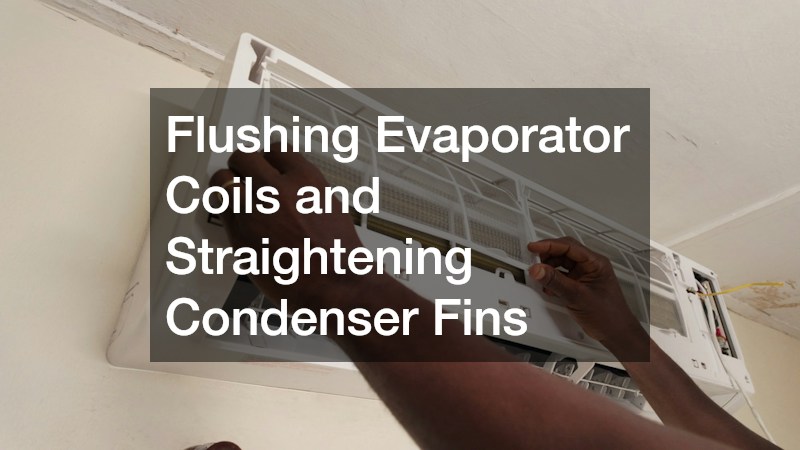
Central air conditioning systems face intense operational strain during hot summer months, absorbing indoor heat and venting it outside to maintain comfortable indoor temperatures. The outdoor condensing unit relies on thin aluminum fins and coiled copper tubing to reject heat into the surrounding air. Over time, blowing yard debris, lawn mowers, and hailstorms bend these delicate fins flat, blocking airflow through the coil and forcing the compressor to run at dangerously high head pressures. Indoors, biological slime, dust, and pet dander coat the dark, damp evaporator coil, choking system airflow, dropping cooling output, and causing the indoor cooling loop to freeze over into a solid block of ice.
Restoring system efficiency, lowering electric bills, and protecting the compressor from early breakdown demands methodical mechanical servicing. Scheduling timely
ac repair ensures that technicians straighten bent condenser fins with specialized fin combs to restore clear airflow across the outdoor coil. Certified technicians flush the indoor evaporator coil with non-corrosive foaming cleaners, clear blocked condensate lines with high-pressure nitrogen blasts, and treat drain pans with antimicrobial tablets to prevent overflow leaks. Testing electrical capacitors, measuring refrigerant pressures, and calibrating digital thermostats returns the system to peak cooling performance, keeping indoor spaces cool all summer long.