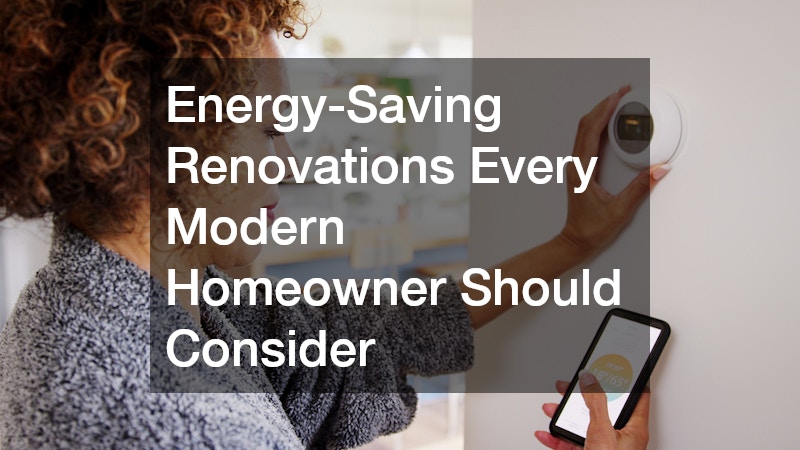

Rising utility costs and growing environmental concerns have inspired homeowners to rethink how their properties consume energy. Strategic renovations can significantly reduce monthly expenses while creating a more comfortable and sustainable living environment. Whether you’re planning a full-scale remodel or making targeted improvements, investing in energy-efficient upgrades delivers lasting value.
Modern solutions go far beyond simple fixes. Today’s homeowners have access to innovative materials, smart technologies, and construction techniques that enhance efficiency without compromising aesthetics. From optimizing insulation to improving heating and cooling systems, thoughtful upgrades can transform a house into a cost-effective and environmentally responsible space.
This guide explores the most impactful energy-saving renovations available today, helping you make informed decisions that align with your long-term goals.
Upgrading Heating and Cooling Systems for Greater Efficiency
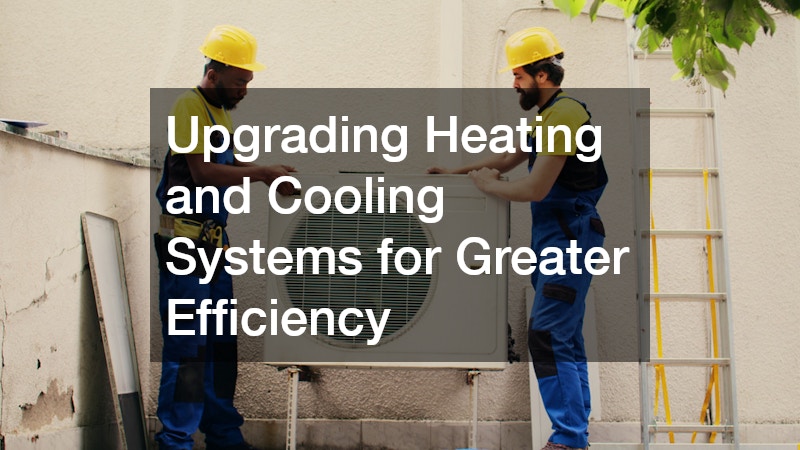
Heating and cooling account for a significant portion of household energy consumption. Outdated systems often struggle to maintain consistent temperatures, resulting in higher utility bills and unnecessary strain on equipment. Upgrading these systems is one of the most effective ways to enhance energy efficiency and indoor comfort.
Working with a local AC contractor ensures that your cooling system is properly sized, installed, and optimized for peak performance. Professional guidance can help homeowners select energy-efficient models that reduce electricity usage while maintaining ideal indoor temperatures throughout the year.
Similarly, modern furnace installation offers advanced features designed to maximize efficiency. High-efficiency furnaces use less fuel, distribute heat evenly, and operate quietly, making them a valuable investment for colder climates.
Benefits of upgrading heating and cooling systems include:
- Lower monthly energy bills
- Improved indoor comfort and temperature consistency
- Reduced environmental impact
- Enhanced system reliability and longevity
- Increased property value
- Improved indoor air quality
Key considerations before upgrading:
- Assess the age and efficiency of existing systems
- Look for ENERGY STAR®-rated equipment
- Evaluate smart thermostat compatibility
- Ensure proper ductwork sealing and insulation
- Schedule regular maintenance for optimal performance
Modern HVAC systems not only reduce energy consumption but also provide precise climate control, helping homeowners maintain comfort without overspending.
Improving Insulation to Prevent Energy Loss
Insufficient insulation allows heat to escape during winter and enter during summer, forcing HVAC systems to work harder. Upgrading insulation is a cost-effective renovation that delivers immediate and long-term energy savings.
Hiring an experienced insulation contractor ensures proper installation and maximum performance. Professionals evaluate existing insulation levels and recommend materials that align with the home’s structure and climate.
For superior efficiency, many homeowners turn to spray foam insulation contractors. Spray foam expands to fill gaps and cracks, creating an airtight barrier that significantly reduces energy loss and improves indoor comfort.
Advantages of upgrading insulation include:
- Reduced heating and cooling costs
- Improved temperature stability
- Enhanced soundproofing
- Better moisture control
- Increased structural durability
- Enhanced indoor air quality
Common areas that benefit from improved insulation:
- Attics
- Exterior walls
- Basements and crawl spaces
- Garages
- Around windows and doors
- Roofing systems
Popular insulation options:
- Fiberglass batts
- Cellulose insulation
- Rigid foam boards
- Spray foam solutions
- Mineral wool insulation
Proper insulation serves as a protective shield for the home, minimizing energy waste while enhancing year-round comfort.
Energy-Efficient Flooring Solutions for Modern Living
Flooring plays a surprising yet vital role in maintaining indoor temperature and reducing energy consumption. Choosing materials with insulating properties can help retain heat in colder months and keep interiors cool during warmer seasons.
Luxury vinyl flooring installation has gained popularity due to its durability, affordability, and thermal benefits. This versatile material mimics natural wood or stone while offering improved resistance to moisture and wear. Its layered construction contributes to better insulation and comfort underfoot.
Experienced flooring contractors can guide homeowners in selecting materials that balance energy efficiency with aesthetic appeal. Professional installation ensures proper sealing, reducing drafts and preventing heat loss through subfloors.
Energy-saving advantages of modern flooring include:
- Improved insulation and temperature control
- Reduced reliance on heating and cooling systems
- Enhanced durability and low maintenance
- Increased property value
- Improved indoor comfort
Top energy-efficient flooring options:
- Luxury vinyl planks and tiles
- Engineered hardwood
- Cork flooring
- Bamboo flooring
- Carpet with high-quality padding
- Ceramic or porcelain tile with radiant heating
Tips for maximizing efficiency:
- Use area rugs to retain warmth
- Install radiant floor heating for added comfort
- Seal gaps and cracks before installation
- Select materials suited to regional climates
Upgrading flooring not only enhances visual appeal but also contributes to a more energy-conscious home environment.
Maximizing Natural Light to Reduce Energy Consumption
Natural light is one of the most effective yet often overlooked tools for improving a home’s energy efficiency. By optimizing daylight within interior spaces, homeowners can reduce reliance on artificial lighting and lower electricity costs. Thoughtful design strategies that enhance sunlight exposure create brighter, more inviting environments while supporting long-term savings.
One of the simplest ways to increase natural light is by upgrading windows. Energy-efficient windows with low-emissivity coatings allow sunlight to enter while minimizing heat transfer. This helps maintain indoor temperatures, keeping homes cooler in the summer and warmer during the winter. Proper window placement and design also reduce the need for excessive heating and cooling throughout the year.
Open-concept layouts further improve the distribution of daylight. Removing unnecessary walls allows sunlight to travel freely, illuminating larger areas and reducing dependence on electric lighting. Light-colored walls, ceilings, and flooring also reflect natural light, amplifying brightness and enhancing the overall ambiance of a space.
Homeowners can implement several strategies to maximize natural illumination:
- Install skylights or solar tubes in darker areas
- Use sheer curtains or light-filtering window treatments
- Position mirrors to reflect sunlight deeper into rooms
- Choose glossy or satin finishes for reflective surfaces
- Keep windows clean and unobstructed
- Trim landscaping that blocks sunlight from entering the home
Incorporating daylight into renovation plans not only reduces energy consumption but also supports well-being. Exposure to natural light has been linked to improved mood, productivity, and better sleep patterns. By embracing smart design choices that prioritize sunlight, homeowners can create comfortable, efficient, and visually appealing living spaces that deliver both environmental and financial benefits.
Outdoor Improvements That Reduce Energy Waste
Exterior renovations can play a crucial role in improving energy efficiency. Thoughtful landscaping and outdoor upgrades help regulate indoor temperatures by reducing heat gain and loss.
A professional tree removal service can eliminate damaged or poorly positioned trees that block natural sunlight during winter or threaten property safety. Strategic tree management ensures optimal shade in summer while allowing warmth to reach the home during colder months.
Collaborating with skilled deck builders can further enhance outdoor functionality. Well-designed decks can provide shade, reduce solar heat gain, and extend living spaces, minimizing the need for energy-intensive indoor cooling.
Energy-saving benefits of strategic outdoor upgrades include:
- Natural temperature regulation
- Reduced cooling costs during summer
- Improved natural lighting
- Enhanced property value and curb appeal
- Expanded outdoor living areas
- Better airflow and ventilation
Smart landscaping strategies:
- Plant deciduous trees on the south and west sides
- Use shrubs to block cold winter winds
- Incorporate pergolas and shaded structures
- Install reflective or light-colored surfaces
- Design outdoor spaces that reduce direct sun exposure
Additional eco-friendly improvements:
- Rainwater harvesting systems
- Solar-powered outdoor lighting
- Native and drought-resistant plants
- Permeable paving materials
By aligning outdoor design with energy goals, homeowners can create an environmentally responsible and visually appealing property.
Enhancing Security and Efficiency with Boundary Upgrades
Well-planned boundary improvements can contribute to both security and energy efficiency. Structures such as fences act as windbreaks, reducing heat loss and protecting homes from harsh weather conditions.
Investing in professional fence installation can help regulate airflow around a property, preventing drafts that increase heating costs during colder months. Properly positioned fencing also provides privacy and enhances curb appeal.
Working with an experienced fence contractor ensures durable construction and optimal placement. Professionals can recommend materials and designs that complement the home while supporting energy-saving goals.
Advantages of upgrading property boundaries include:
- Reduced wind exposure and energy loss
- Improved privacy and security
- Enhanced aesthetic appeal
- Increased property value
- Better protection for landscaping
- Clear definition of outdoor spaces
Popular fencing materials:
- Wood
- Vinyl
- Aluminum
- Composite materials
- Steel and wrought iron
Tips for maximizing efficiency:
- Install fences to block prevailing winds
- Combine fencing with hedges or shrubs
- Choose durable, weather-resistant materials
- Maintain structures regularly for longevity
These upgrades offer both functional and aesthetic benefits, contributing to a more efficient and comfortable home.
Integrating Smart Technology for Maximum Savings
Smart home technology has revolutionized energy management. By automating systems and providing real-time insights, homeowners can monitor and control energy usage with ease.
Popular smart energy solutions include:
- Programmable thermostats
- Smart lighting systems
- Energy-efficient appliances
- Automated window treatments
- Home energy monitoring systems
- Solar panel integrations
Benefits of smart home upgrades:
- Reduced utility bills
- Improved convenience and control
- Enhanced sustainability
- Increased property value
- Real-time energy tracking
Integrating these technologies complements physical renovations, ensuring a comprehensive approach to energy efficiency.
Harnessing Renewable Energy for Long-Term Savings
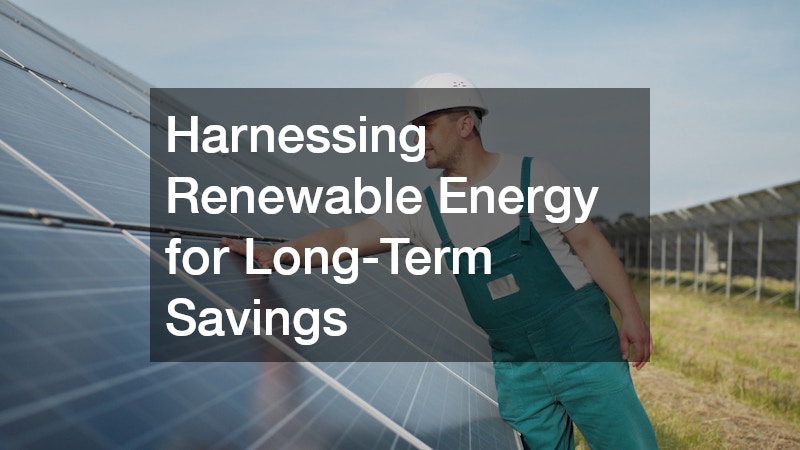
Renewable energy solutions offer homeowners an opportunity to significantly reduce utility costs while minimizing their environmental footprint. By generating clean power on-site, households can decrease their dependence on traditional energy sources and protect themselves from fluctuating energy prices.
Solar energy, in particular, has become increasingly accessible and affordable. Advances in technology and government incentives have made it a practical option for homeowners seeking sustainable, long-term savings. When paired with energy-efficient renovations, renewable energy systems can dramatically improve a home’s overall performance.
Benefits of incorporating renewable energy solutions include:
- Reduced monthly electricity bills
- Lower carbon emissions
- Increased energy independence
- Enhanced property value
- Long-term return on investment
- Protection against rising energy costs
Popular renewable energy options for modern homes:
- Solar photovoltaic (PV) panels for electricity generation
- Solar water heating systems
- Geothermal heating and cooling systems
- Small-scale wind turbines in suitable locations
- Battery storage systems for backup power and energy optimization
Factors to consider before installation:
- Roof orientation and sun exposure
- Local climate and energy needs
- Available tax credits and rebates
- Upfront installation costs versus long-term savings
- Local building codes and permitting requirements
- Compatibility with existing electrical systems
Integrating renewable energy into a renovation plan amplifies the benefits of other efficiency upgrades. Homeowners who adopt these solutions position their properties for sustainability, resilience, and financial stability in the years ahead.
Choosing Sustainable Materials for Long-Term Efficiency
Sustainable materials reduce environmental impact while improving a home’s overall performance. Modern construction products are designed to minimize waste, enhance durability, and optimize energy usage.
Eco-friendly materials to consider:
- Reclaimed wood
- Recycled metal
- Low-VOC paints and finishes
- Energy-efficient windows and doors
- Insulated concrete forms
- Structural insulated panels
Advantages of sustainable materials:
- Reduced carbon footprint
- Improved indoor air quality
- Increased durability and longevity
- Lower maintenance costs
- Enhanced property value
Selecting environmentally responsible materials ensures long-term savings and supports a greener future.
Financial Benefits of Energy-Saving Renovations
Energy-efficient improvements provide more than environmental advantages—they also deliver substantial financial returns. Homeowners who invest in efficiency often experience significant cost savings and increased resale value.
Key financial incentives include:
- Reduced monthly utility bills
- Federal and state tax credits
- Utility rebates and incentives
- Increased home marketability
- Higher property appraisals
- Lower maintenance expenses
Strategies to maximize return on investment:
- Prioritize high-impact upgrades
- Conduct a professional energy audit
- Research available incentives
- Use durable, high-quality materials
- Maintain systems regularly
Careful planning ensures homeowners achieve both immediate and long-term financial rewards.
Planning Your Energy-Efficient Renovation
A successful renovation begins with a clear strategy. Thoughtful planning helps homeowners avoid costly mistakes while ensuring optimal results.
Steps to create an effective renovation plan:
- Conduct a professional home energy audit.
- Identify areas with the greatest potential for improvement.
- Establish a realistic budget and timeline.
- Prioritize upgrades based on return on investment.
- Hire qualified professionals for specialized work.
- Incorporate smart technology and sustainable materials.
- Monitor energy usage after renovations are complete.
Tips for success:
- Research local building codes and regulations.
- Choose reputable contractors with proven experience.
- Focus on quality rather than short-term savings.
- Plan renovations in phases if necessary.
- Keep long-term goals in mind.
With proper preparation, homeowners can confidently invest in upgrades that deliver meaningful and lasting results.
Embrace Energy-Efficient Renovations for a Sustainable and Stylish Home
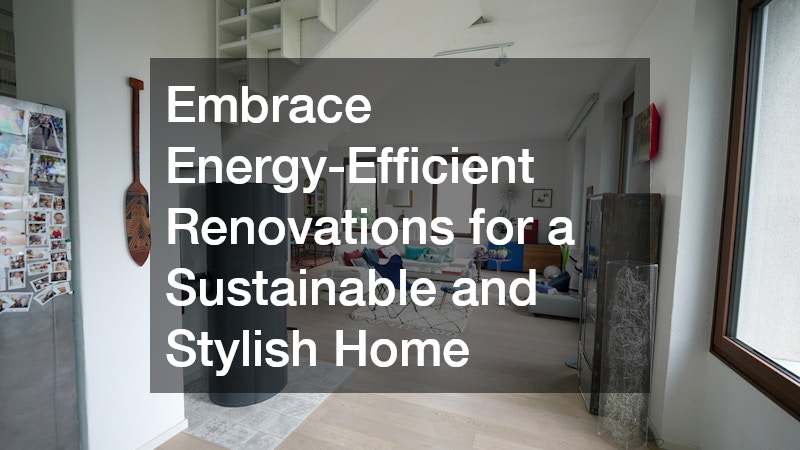
Energy-efficient renovations offer a powerful way to reduce utility costs, enhance comfort, and increase property value. By upgrading key areas such as heating, cooling, insulation, flooring, and outdoor spaces, homeowners can create a residence that is both sustainable and stylish.
Modern innovations and smart technologies make it easier than ever to improve efficiency without sacrificing convenience or design. With careful planning and informed decision-making, these improvements provide long-term benefits that support financial stability and environmental responsibility.