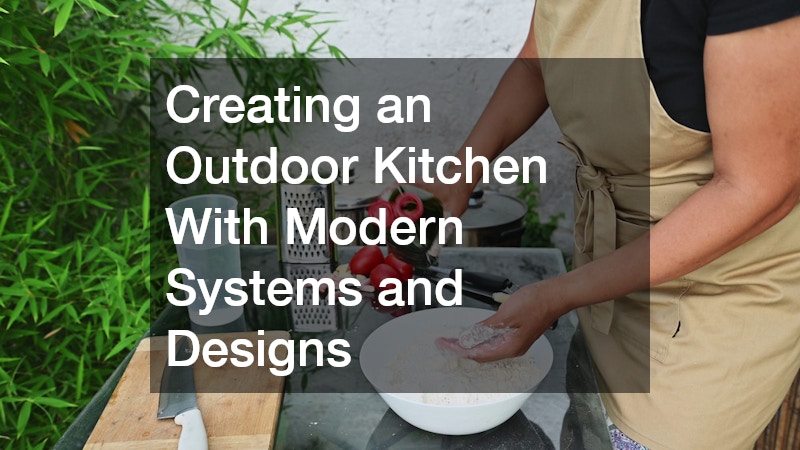

The modern backyard has undergone a radical transformation. No longer is the outdoor cooking experience limited to a simple wheeled charcoal grill tucked away on a wooden deck. Today, homeowners are viewing their backyards as true extensions of their interior living spaces, resulting in the rise of fully functional, high-tech luxury culinary pavilions. Constructing a modern outdoor kitchen allows you to blend the joys of open-air dining with the precision, convenience, and comfort of a high-end indoor kitchen.
When you move food preparation outside, you change how you entertain. Guests naturally gather around a burning fire or a beautifully lit countertop, allowing the cook to remain part of the party rather than being isolated inside. However, building a space that can withstand torrential rain, blazing summer sun, and freezing winter temperatures while maintaining structural integrity and high performance requires meticulous planning.
Designing for Flow: Optimizing Zone Layouts and Architectural Synergy
A successful cooking space relies on a concept known to interior designers as the kitchen work triangle. When applied to the outdoors, this concept expands into a linear, L-shaped, or U-shaped layout broken down into four distinct zones: hot, cold, wet, and dry. Proper zoning ensures that you never have to walk across the patio just to grab an onion from the fridge, nor will guests accidentally walk into a plume of smoke while reaching for a beverage.
- The Hot Zone: This is the anchor of your layout, housing the primary built-in grill, side burners, power burners, smoker, or wood-fired pizza oven. It requires maximum ventilation and must be strategically positioned downwind from guest seating areas.
- The Cold Zone: Positioned far enough away from the hot zone to keep cooling compressors from working overtime, this area contains outdoor-rated refrigerators, wine coolers, under-counter kegerators, and clear-ice makers.
- The Wet Zone: Centered around a deep stainless steel sink, a trash pull-out, and a designated food preparation counter, this zone allows you to wash vegetables and trim meats without running back into the house.
- The Dry Zone: This space acts as your primary staging, plating, and serving area. It features expansive countertops and weather-resistant storage drawers for clean tools, platters, spices, and linens.
To make the layout highly operational, avoid placing the cold and hot zones directly next to each other. For example, in an L-shaped configuration, placing the grill on one leg and the refrigerator and sink on the other creates an organic flow that allows multiple cooks to work simultaneously.
Beyond sheer mechanics, your culinary station must look like it belongs on your property. An outdoor kitchen design should visually speak the same language as your home’s main architecture, utilizing similar rooflines, color palettes, and stylistic cues. Working with a custom home builder during the initial planning phases ensures that the structures are completely cohesive. These professionals can ensure the scale of the kitchen structure balances gracefully against the mass of your home, while helping you secure necessary municipal permits and navigate local zoning setbacks.
Site Preparation: Clearing Canopy Hazards and Foundations

Before a single stone can be laid or a utility trench dug, you must rigorously evaluate the physical environment of your chosen site. The beauty of cooking outdoors is the natural canopy, but nature can pose significant structural and safety hazards if not carefully managed. Overhead tree canopies present risks of falling leaves, bird droppings, highly flammable sap, and dead wood that could ignite from intense grill flare-ups.
- Overhead Clearance: Maintain a minimum of ten feet of vertical clearance between the top of your grill or hood exhaust and the lowest overhanging branch.
- Root Protection: Digging utility trenches too close to mature trees can sever critical anchor roots, destabilizing the tree and threatening your new kitchen structure with future root heave.
- Debris Control: Certain tree varieties, like oaks or pines, drop excessive debris that can stain delicate natural stone countertops if left unchecked.
To mitigate these risks safely, it is highly recommended to enlist professional tree services to prune back heavy limbs, elevate the tree canopy, and clear out hazardous growth. These experts can also assess the health of your existing trees to ensure that a sudden windstorm will not bring a massive branch down onto your brand-new stainless steel appliances.
Once the overhead space is secure, attention must turn to the ground beneath your feet. The cumulative weight of a stone island frame, thick stone countertops, and multiple commercial-grade steel appliances can easily reach several thousand pounds. Placing this kind of load on top of regular soil, or even basic landscaping pavers, will result in uneven settling, shifting, and catastrophic cracking of your masonry joints over time.
Preventing this requires partnering with local concrete contractors who can excavate the site, construct rigid wooden forms, and pour a monolithic, steel-reinforced concrete pad. The slab should be a minimum of four inches thick, poured over a compacted gravel sub-base to facilitate water drainage and prevent frost heaving. Furthermore, the concrete must be poured with a very slight slope—roughly one-eighth of an inch per linear foot—away from the main house and seating areas to prevent rainwater from pooling underneath your kitchen cabinetry.
Hardscaping Excellence: Choosing Durable Masonry and Work Surfaces

With a perfectly level, reinforced concrete foundation cured and ready, the structural build of your kitchen can begin. The exterior framework of your kitchen island needs to be completely impervious to rot, insects, and moisture. Traditionally, outdoor kitchens were constructed using pressure-treated wood framing, but modern standards lean heavily toward welded structural steel studs or stacked concrete blocks for absolute fire safety and longevity.
- Steel Framing: Lightweight, perfectly straight, and incredibly fast to install, steel studs are clad in magnesium oxide or cement backer boards, creating a non-combustible shell ready for any finish material.
- Concrete Blocks: Known as CMU block construction, this method provides maximum durability and structural mass, making it ideal for holding up heavy wood-fired pizza ovens.
- Finishing Materials: The exterior skin of your island can be customized with stacked natural stone veneer, modern architectural porcelain tiles, or textured stucco to create a polished, resort-style aesthetic.
To ensure that the kitchen island integrates beautifully with the rest of your backyard living area, work closely with professional patio contractors. They can seamlessly stitch the concrete pad of the kitchen into your existing flagstone, bluestone, or concrete paver patio, matching joint lines and ensuring there are no dangerous tripping hazards where different flooring materials meet.
The ultimate crowning glory of your island is the work surface. Choosing an outdoor countertop requires a different set of criteria than choosing an indoor material, as outdoor surfaces must withstand brutal thermal shock and constant exposure to ultraviolet light. It is smart to visit a dedicated counter store where you can view full slabs in person and seek advice on how different materials react to regional climates.
Granite remains an excellent choice for outdoor kitchens, provided you choose a lighter color that will not absorb excessive heat from the sun and burn your hands during a summer afternoon. High-density, unpolished natural quartzites and dense engineered porcelain slabs are also highly favored in modern designs because they are completely UV-stable and non-porous, meaning they will not fade over time or absorb oils and red wine stains. Avoid using standard indoor engineered quartz surfaces outside, as the polymer resins used to bind the quartz particles together will rapidly turn yellow, brittle, and crack when exposed to solar radiation.
Smart Electrics: Ensuring Safe Power Delivery and Evening Visibility

A truly modern outdoor kitchen requires a sophisticated electrical network. We are no longer just powering a single lightbulb; a premium outdoor kitchen frequently runs rotisserie motors, built-in meat probes, digital pellet grill controllers, under-counter refrigeration units, ice makers, stereos, and flat-screen televisions. This high-demand environment requires a dedicated sub-panel wired directly from your home’s main breaker.
- Dedicated Circuits: High-amperage appliances like refrigeration compressors and electric warming drawers should always have their own dedicated circuits to prevent annoying breaker trips mid-party.
- Weatherproof Enclosures: Every single outlet must be housed inside a heavy-duty, wet-location-rated box with a self-closing cover that protects the receptacle even when an appliance is plugged in.
- GFCI Protection: Absolute safety dictates that every outdoor circuit be protected by Ground Fault Circuit Interrupter technology, which instantly cuts power the millisecond a current leakage to ground is detected.
Because electricity and water are a lethal combination, you should never attempt to DIY this phase of construction. You must hire a licensed electrician to pull the appropriate electrical permits, dig trenches to the correct depth specified by national electrical codes, run heavy-walled schedule forty PVC conduit, and handle all the complex terminations safely.
Once the foundational power is established, you can design a beautiful, multi-layered lighting plan that extends the usability of your space deep into the night. Cooking in the dark is frustrating and potentially dangerous when handling sharp knives and searing hot grates. A thoughtful lighting installation will divide your illumination into three key layers: task, ambient, and safety.
Task lighting should feature powerful, articulate LEDs or halogen spotlights positioned directly over the grill surface and the primary food preparation zones, ensuring you can accurately judge the sear on a steak. Ambient lighting can be achieved by hiding waterproof, low-voltage LED strip lights directly underneath the lip of your countertops or along the toe-kicks of the island base, casting a gentle, warm glow across the floor. Finally, path lights and step lights should be integrated into the surrounding hardscape to guide guests safely between the kitchen, the dining table, and the main house without blinding them with harsh glares.
Utility Integration: Seamlessly Piping in Water and Clean Fuel

To achieve true culinary independence from your indoor space, your outdoor setup requires fully integrated plumbing and fuel systems. Running back and forth into the house to wash your hands or rinse off a cutting board quickly ruins the flow of outdoor entertaining. A functional outdoor sink requires a continuous supply of clean, potable water and a code-compliant method for disposing of wastewater.
- Supply Lines: Water supply lines should be run underground alongside your electrical conduit, utilizing flexible PEX piping which is much more forgiving than rigid copper if the ground shifts.
- Drainage Options: Depending on your local municipal codes, wastewater can either be tied directly back into your home’s main sewer line or routed to a specialized graywater drywell system in your yard.
- Hot Water: If you plan on washing greasy pots and pans outside, consider installing a compact, point-of-use tankless electric water heater directly inside your outdoor kitchen cabinetry.
Navigating these strict environmental and building codes requires the expertise of a professional plumbing service. These licensed tradesmen will ensure that all connections are perfectly sealed, backflow preventers are installed to keep outdoor water from contaminating your home’s drinking supply, and proper drain slopes are maintained. Most importantly, they can install accessible low-point drain valves inside your basement, allowing you to easily blow out the lines with compressed air before the first freeze of winter strikes, preventing ruptured pipes.
The final piece of the utility puzzle is fuel delivery for your cooking equipment. You must decide whether your appliances will run on natural gas plumbed directly from your home’s main meter or if you will rely on portable tanks. While natural gas offers the incredible luxury of an endless fuel supply that never runs out in the middle of a dinner party, it requires extensive underground trenching and rigid steel pipe installation.
If you choose the flexibility and lower upfront cost of liquid propane, you must design your kitchen island to safely accommodate a propane gas cylinder. Liquid propane is heavier than air, meaning that if a tank develops a small leak, the gas will sink and pool at the bottom of your kitchen cabinets, creating a massive explosion hazard. To prevent this, propane storage enclosures must feature specialized vents cut into both the top and bottom of the cabinet doors to allow any leaking gas to escape harmlessly into the open air. Furthermore, always ensure that an emergency manual gas shut-off valve is installed in an easily accessible location away from the immediate heat zone of the grill.
Building a modern outdoor kitchen is a significant home improvement project that requires a careful blend of architectural vision, durable material, and rigorous engineering. By dividing your space into smart functional zones, building on a rock-solid foundation, and hiring qualified professionals to handle the complex electrical, plumbing, and structural elements, you ensure that your investment is both beautiful and exceptionally safe.
When you take the time to properly integrate these advanced utilities and weather-resistant designs into your backyard, you do more than just build a place to cook food. You create an open-air sanctuary that will serve as the backdrop for family gatherings, weekend celebrations, and quiet evening meals for decades to come. With a clear plan and the right team of experts at your side, you can confidently transition your dream of an upscale outdoor lifestyle into an enduring reality.