

When temperatures drop below freezing, a comfortable house stops being a luxury and becomes essential shelter. Yet many homeowners treat winter preparation as an afterthought, waiting until a furnace quits on a holiday weekend or a drafty living room sends utility bills soaring before acting. Emergency mid-winter repairs bring premium rates, rushed equipment decisions, and unnecessary stress. Taking a proactive approach in autumn turns cold-weather care from an unpredictable expense into a high-return investment.
Maintaining indoor warmth requires viewing your house as one interconnected thermal system. Generating heat is only half of the equation; keeping conditioned air inside while distributing it evenly across every floor is equally critical. Even a high-efficiency heater struggles and short-cycles if warm air escapes through an unsealed attic hatch, damaged cladding, or uninsulated chases. Meanwhile, neglected plumbing and drainage lines face heightened risk when groundwater temperatures plummet and frozen soil blocks runoff.
Consider the core areas of cold-weather readiness, combining practical diagnostics with benchmarks for hiring specialists. By addressing your exterior shell, entryway seals, forced-air equipment, hydronic controls, water supply, and drainage systematically, you can eliminate cold spots, prevent freeze damage, and enjoy steady comfort all winter.
Fortify Your Home’s Exterior Shell Against Heat Escape
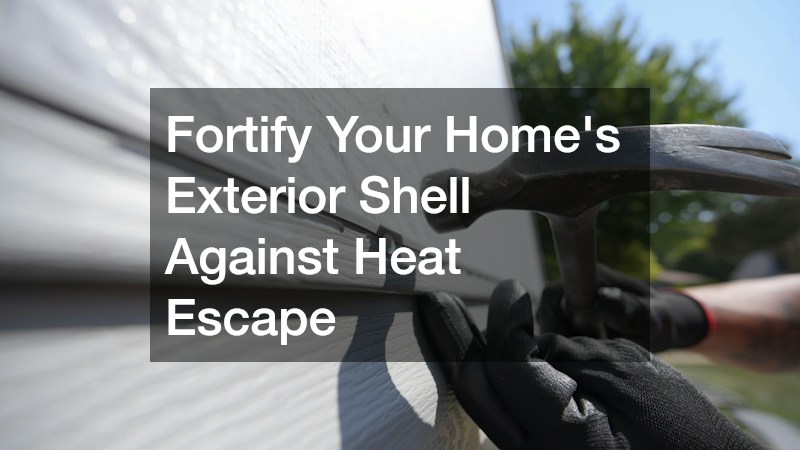
Your roof and walls form the primary barrier between your living space and winter weather. Because warm air rises and presses against upper ceilings—known as the stack effect—even minor flaws in your upper building envelope allow heated air to escape continuously. A thorough exterior and attic inspection before the first freeze protects indoor comfort and structural framing.
Start inside the attic on a sunny day with the lights off. Examine the roof deck underside, plumbing vents, and chimney chases for pinpoints of daylight, water stains, or damp, compressed insulation. Adequate attic insulation paired with clear soffit and ridge ventilation keeps the roof deck uniformly cold. When heat leaks into an under-ventilated attic, it melts snow on the upper roof; meltwater refreezes along colder eaves, forming ice dams that push water beneath shingles and soak drywall.
- Inspect the roofline from ground level with binoculars to spot curled or missing shingles, lifted ridge caps, and rusted flashing around chimneys or skylights.
- Clear leaves and pine needles from roof valleys so snowmelt drains freely.
- Seal attic floor penetrations—such as recessed lights, wiring holes, and plumbing chases—with fire-rated caulk or expanding foam before adding insulation.
- Schedule a professional residential roofing inspection in early autumn if your roof is over fifteen years old or shows granule loss, ensuring damaged flashing and brittle pipe boots are repaired before snow arrives.
Once the roofline is secure, walk the perimeter of your house to examine siding, trim boards, and the foundation transition. Winter winds exploit gaps around utility meters, outlets, dryer vents, and hose bibs, driving freezing air into wall cavities. Check caulking around window trim and corner boards, scraping away cracked sealant and applying exterior polyurethane caulk. If you notice warped planks, loose panels, moisture behind cladding, or deteriorated house wrap, consulting experienced siding contractors helps you repair damaged sections or upgrade to insulated cladding that reduces conductive heat loss.
Eliminate Hidden Air Drafts Around Entryways and Unconditioned Spaces
Even a well-insulated roof and sound walls underperform if air leaks around movable openings and unconditioned spaces. Small perimeter gaps around entryways seem minor individually, yet combined they equal the air leakage of a window left open all winter. Eliminating convective drafts is one of the fastest, lowest-cost ways to make rooms feel warmer without raising your thermostat.
On a breezy afternoon, perform a room-by-room draft audit. Close all windows, turn off exhaust fans, and hold an incense stick or thin strip of tissue along window sashes, baseboards, exterior-wall outlets, and entryway frames. Wherever smoke wavers or tissue flutters, cold air is infiltrating your home. Pay close attention to exterior doors, which endure constant mechanical wear from daily use and seasonal humidity shifts that cause frames to expand and contract.
- Replace flattened or peeling perimeter weatherstripping with silicone bulb gaskets or tension-seal V-strips that compress snugly when closed.
- Inspect threshold sweeps; if daylight shows underneath, install an adjustable sweep that seals against the sill.
- Adjust strike plates slightly inward if a latch feels loose, ensuring the slab pulls tightly against weatherstripping rather than rattling in gusts.
- Install foam gaskets behind switch and outlet plates on exterior walls to block drafts.
Beyond exterior entryways, check boundaries separating heated living areas from attached garages, unfinished basements, crawlspaces, and attic stairs. Unheated garages and basements act as thermal sinks that draw warmth from adjacent hallways whenever gaps remain unsealed. Add weatherstripping and a zippered insulated cover over pull-down attic ladders to stop warm air from rising into the attic. Likewise, verify that interior doors leading to basements and garages feature intact perimeter seals, snug sweeps, and self-closing hinges so cold air stays outside primary living zones.
Optimize Forced-Air Systems for Peak Winter Efficiency

For households heated by central forced-air equipment, peak winter comfort depends on clean combustion, unobstructed airflow, and tight ductwork. Furnaces sit idle for months, collecting dust on sensors, burners, and blower blades. Starting a neglected unit during the first cold snap often triggers nuisance shutdowns, uneven temperatures, or carbon monoxide risks when technicians are booked weeks out.
Booking a preventative heating service in early autumn gives a licensed technician time to clean, calibrate, and safety-test your system before peak demand hits. During a tune-up, the technician cleans the flame sensor and burners, checks igniter resistance, lubricates bearings, measures blower amperage, and inspects the heat exchanger for hairline cracks. Verifying clean flue drafting and testing ambient carbon monoxide levels ensures safe operation throughout months of runtime.
- Replace pleated air filters every thirty to ninety days, choosing a MERV rating recommended by your manufacturer to trap dust without restricting airflow.
- Vacuum supply registers and return grilles, keeping furniture, rugs, and heavy draperies clear of vents.
- Seal accessible ductwork joints in basements and attics with foil-backed mastic tape or duct mastic rather than cloth duct tape.
- Program your thermostat to lower indoor temperatures by seven to ten degrees overnight or while the house is empty, trimming fuel use without sacrificing morning comfort.
While routine care keeps reliable equipment running smoothly, no mechanical system lasts forever. If your unit is over fifteen years old, needs frequent repairs, leaves bedrooms chronically chilly, or drives unexplained spikes in utility bills, plan ahead rather than waiting for failure. Reputable specialists at an established furnace company can perform a room-by-room heat-loss calculation, evaluate duct sizing, and recommend matched high-efficiency equipment before freezing weather forces a rushed purchase.
Balance Whole-Home Climate Controls and Hydronic Heat Distribution

Generating heat works only when your distribution network delivers warmth evenly. Multi-story homes frequently suffer from wide temperature swings—overheated upstairs bedrooms paired with chilly ground-floor rooms—while homes with heat pumps or hydronic radiators require seasonal adjustments to maintain steady output during deep freezes.
If you rely on a heat pump or dual-fuel system, pay attention to how your outdoor unit transitions into cold weather. Heat pumps extract heat from outdoor air in freezing conditions, periodically reversing their cycle to melt coil frost. Clearing leaves, mulch, and snow drifts at least two feet back from the outdoor cabinet ensures unrestricted airflow during defrost cycles. Working with qualified HVAC companies in the fall lets a technician verify refrigerant charge, test reversing valves, inspect auxiliary heat strips, and balance trunk-line dampers so heated air pushes downward to lower levels.
- Locate manual balancing dampers along main supply ducts near your air handler and partially close dampers feeding warm upper floors while opening those serving cooler lower rooms.
- Check thermostat auxiliary-heat lockout settings so backup strips engage only below your heat pump’s balance point.
- Bleed trapped air from cast-iron radiators and hydronic baseboards at the start of the season using a radiator key until sputtering stops and a steady stream of water appears.
- Verify that cold boiler pressure sits within the manufacturer’s recommended range—typically twelve to fifteen PSI for two-story homes—and inspect the expansion tank and circulator pump for leaks or grinding noises.
Hydronic systems provide quiet radiant warmth, yet aging boilers lose efficiency rapidly when internal passages accumulate mineral scale or corroded heat exchangers restrict heat transfer. Watch for warning signs such as sluggish radiator warm-up times, ignition failures, rusty water around fittings, or rising gas usage. If your unit nears the end of its lifespan, researching boiler replacement services ahead of deep winter allows you to compare modern modulating-condensing models that adjust firing rates automatically to match outdoor temperatures.
Protect Hot Water Supply and Winterize Vulnerable Pipe Networks
Winter places double duty on residential plumbing: hot water demand rises right as incoming municipal or well water temperatures drop sharply. When incoming water cools from sixty degrees in summer to forty degrees in winter, your water heater burns more fuel or electricity to maintain comfortable temperatures. Simultaneously, supply pipes routed through unheated exterior walls, crawlspaces, and garages face freeze risk.
Inside storage-tank heaters, dissolved minerals settle to the bottom over time, forming an insulating sediment layer that forces burners or heating elements to overheat the tank base and waste energy. Scheduling annual water heater services extends tank longevity through sediment flushing, anode rod inspection, temperature-and-pressure relief valve testing, and descaling on tankless heat exchangers. Setting your thermostat at one hundred twenty degrees provides ample hot water while preventing scalding and reducing standby heat loss.
- Slide closed-cell foam pipe insulation sleeves over accessible hot and cold lines running through unheated basements, crawlspaces, attics, and garages.
- Disconnect and drain outdoor garden hoses before the first overnight freeze, as trapped water inside a hose can back up and split interior fittings.
- Close interior shutoff valves to exterior hose bibs, then open outdoor spigots to drain residual water.
- Label your main water shutoff valve clearly and show every adult in the household how to close it quickly if a pipe bursts.
When sub-zero wind chills strike, keep vulnerable interior pipes warm. Open vanity cabinet panels beneath exterior-wall sinks so warm air circulates around pipes, and let faucets served by exposed lines drip slowly overnight to relieve pressure. If you have outdated exterior spigots lacking internal shutoff stems, dripping isolation valves, or uninsulated pipes in drafty rim joists, contacting affordable plumbing specialists during autumn lets you upgrade to frost-free sillcocks and reinforce vulnerable runs at a fraction of emergency restoration costs.
Keep Wastewater Lines and Foundation Drainage Flowing Freely

While supply pipes bring warmth into your home, wastewater and exterior drainage lines protect your foundation from moisture intrusion and winter backups. Autumn leaf fall, holiday cooking grease, and guest water usage stress residential drains right as freezing temperatures harden the ground.
Start outside by clearing gutters and downspouts once leaves finish dropping. Clogged gutters overflow during winter thaws, saturating soil against foundation walls where freeze-thaw expansion cracks masonry and chills basement floors. Extend downspouts at least six feet from your foundation and test your sump pump by pouring a bucket of water into the pit to verify that the float switch triggers smoothly and discharges water clear of the house.
- Install mesh strainer baskets over kitchen and shower drains to catch food scraps, hair, and soap scum before they accumulate inside branch lines.
- Dispose of cooking oils, grease, and fibrous scraps in the trash rather than the sink, as fats solidify inside cold sewer pipes.
- Book preventative drain cleaning for main sewer lines and heavily used kitchen stacks in late autumn to clear hardened grease, mineral scale, and early tree-root intrusion before frost locks the soil.
Preparing your house for winter does not require tackling every project in a single exhausting weekend. Breaking maintenance into logical zones—starting with your exterior shell and entryway seals before moving inward to mechanical, water, and drainage systems—ensures each step reinforces the next. Tightening your building envelope lowers the workload on your heating equipment, while tuned mechanical and plumbing systems operate more quietly, safely, and affordably through the coldest months.
To keep your plan manageable, split your preparation into two straightforward phases over early autumn. Dedicate one Saturday morning to high-impact do-it-yourself wins, including swapping furnace filters, testing window and entryway drafts, insulating exposed basement pipes, disconnecting outdoor hoses, and bleeding trapped air from radiators. Then reserve weekday appointments early in the season for specialized inspections covering your roof, exterior cladding, central heating equipment, water heater, and main sewer line before seasonal backlogs begin. By investing a few focused hours now, you replace mid-winter guesswork with genuine peace of mind, keeping your home warm, resilient, and energy-efficient all season.