
Introduction: Creating a More Comfortable, Efficient, and Functional Home
A comfortable and efficient home requires more than attractive finishes and modern furniture. True home performance depends on a combination of reliable systems, strategic upgrades, and consistent maintenance practices that work together to support safety, efficiency, and long-term property value. Heating and cooling systems regulate indoor temperatures, plumbing infrastructure manages water flow and sanitation, and thoughtful renovations improve how living spaces function every day.
Many homeowners focus only on visible improvements while overlooking the systems that have the greatest impact on long-term comfort and repair costs. Small plumbing leaks, inefficient climate control systems, poor drainage, and outdated materials often worsen gradually until they require expensive repairs or emergency service. Preventative maintenance and strategic upgrades help reduce these risks while improving overall home performance.
Modern households also place greater demands on residential systems than ever before. Heating and cooling systems operate continuously during extreme temperatures, kitchens serve as central gathering spaces, and plumbing systems experience heavy daily use. As homes age, maintenance becomes even more important for preserving efficiency and preventing structural damage.
Another important factor is coordination. Home systems do not operate independently. Plumbing problems can affect cabinetry and flooring, inefficient HVAC systems increase utility costs, and poor remodeling decisions may reduce long-term functionality. A complete home improvement strategy evaluates how systems interact and prioritizes upgrades that improve the home as a whole.
This guide explores practical ways homeowners can improve comfort, functionality, and efficiency through proactive maintenance and thoughtful renovation planning. By combining preventative care with strategic upgrades, homeowners can reduce repair costs, improve daily living, and protect long-term property value.
Improve Indoor Comfort and Reduce Energy Costs Throughout the Year
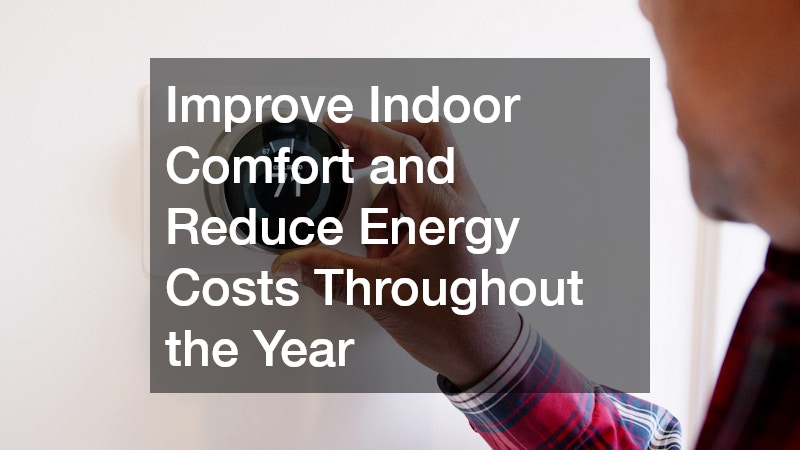
Heating and cooling systems are among the most heavily used systems in any home. During periods of extreme weather, climate control equipment often runs continuously to maintain indoor comfort. Without proper maintenance, systems gradually lose efficiency and become more vulnerable to expensive failures.
Routine air conditioner repairs help address smaller problems before they lead to complete system breakdowns. Many cooling issues begin gradually, with reduced airflow or inconsistent temperatures appearing long before a major failure occurs.
Common warning signs include:
- Warm air blowing from vents
- Weak airflow throughout the home
- Uneven room temperatures
- Rising utility bills
- Unusual noises during operation
Regular HVAC Service improves system efficiency while extending equipment lifespan. Professional inspections often include:
- Cleaning evaporator and condenser coils
- Inspecting refrigerant levels
- Replacing air filters
- Testing thermostat performance
- Evaluating electrical components
Airflow restrictions are among the most common causes of reduced HVAC efficiency. Dirty filters, blocked vents, and leaking ductwork force systems to work harder, increasing wear and energy consumption.
Homeowners can improve climate system efficiency by:
- Replacing filters every one to three months
- Sealing drafts around windows and doors
- Using ceiling fans to improve circulation
- Keeping outdoor condenser units clean and unobstructed
Seasonal tune-ups are especially important before periods of extreme temperatures. Preventative inspections reduce the likelihood of emergency repairs while improving overall indoor comfort.
Additional benefits of routine maintenance include:
- Better humidity control
- Improved indoor air quality
- Lower operating costs
- More consistent temperature regulation
Well-maintained climate systems improve comfort while helping homeowners reduce long-term energy expenses.
Maintain Reliable Temperature Control During Every Season
Balanced indoor temperatures depend on properly functioning heating and cooling systems working together efficiently. When one component begins underperforming, the entire home may experience inconsistent comfort and increased utility costs.
A qualified heating and cooling contractor can evaluate overall system performance and recommend improvements that support long-term efficiency and reliability.
Common signs that climate systems may be underperforming include:
- Frequent cycling on and off
- Uneven heating or cooling between rooms
- Excess humidity indoors
- Poor airflow from vents
- Unusual odors or noises during operation
Routine inspections help identify worn components before complete failure occurs. Preventative maintenance also improves safety by reducing risks associated with electrical malfunctions or ventilation problems.
Professional contractors may recommend upgrades such as:
- Smart thermostats
- Improved insulation
- Zoned climate systems
- Updated ductwork
Insulation and airflow play major roles in indoor comfort. Even high-quality heating and cooling systems struggle to maintain efficiency when conditioned air escapes through poorly sealed areas.
Additional ways to improve year-round comfort include:
- Sealing attic and crawlspace air leaks
- Cleaning vents and return ducts regularly
- Maintaining proper indoor humidity levels
- Monitoring thermostat calibration
Preventative maintenance and strategic upgrades help create more stable indoor environments while reducing strain on climate control systems.
Protect Plumbing Systems Before Small Leaks Become Major Repairs
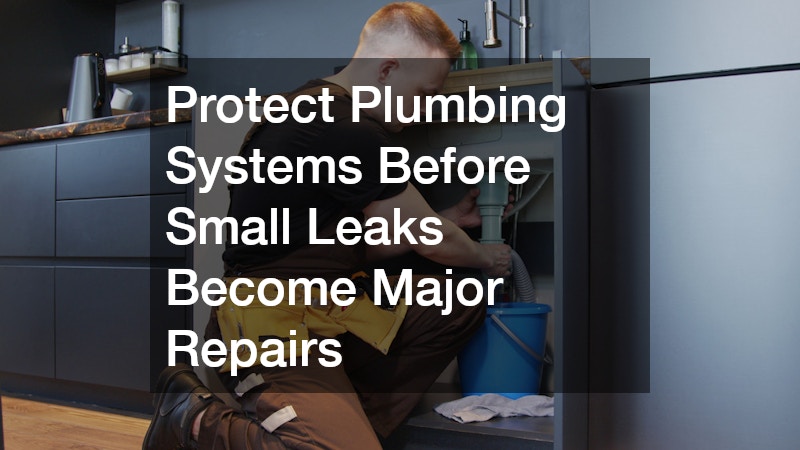
Plumbing systems support nearly every aspect of daily living. From kitchens and bathrooms to laundry appliances and water heaters, reliable plumbing is essential for comfort and sanitation. Unfortunately, small leaks and hidden plumbing problems often go unnoticed until significant water damage has already occurred.
Professional plumbing services help homeowners identify developing issues early and maintain reliable water flow throughout the property.
Common plumbing problems include:
- Leaking pipes or fixtures
- Low water pressure
- Slow drainage
- Corrosion in older pipes
- Hidden moisture behind walls
Even minor leaks can create major structural concerns over time. Moisture trapped behind walls or beneath flooring contributes to mold growth, wood rot, and insulation damage.
Preventative plumbing maintenance includes:
- Inspecting visible pipes regularly
- Monitoring water bills for unusual increases
- Addressing leaks immediately
- Checking appliance water lines periodically
Water pressure changes may also indicate deeper plumbing concerns. Low pressure can result from pipe corrosion, hidden leaks, or drainage blockages.
Additional ways to improve plumbing system reliability include:
- Avoiding harsh chemical drain cleaners
- Installing water-efficient fixtures
- Scheduling periodic inspections for older homes
- Replacing aging plumbing materials proactively
Consistent plumbing maintenance reduces long-term repair costs while protecting structural integrity and indoor air quality.
Prevent Drainage Problems and Costly Water Damage
Drainage systems are essential for removing wastewater efficiently and preventing contamination or structural moisture damage. Slow drains, recurring backups, and sewer odors often indicate developing issues that require immediate attention.
Professional residential drain repair helps restore proper water flow while preventing more severe plumbing failures.
Common causes of drain problems include:
- Grease buildup inside pipes
- Hair and soap residue accumulation
- Mineral deposits from hard water
- Foreign objects lodged in drains
Warning signs of serious drainage issues include:
- Multiple slow drains throughout the home
- Gurgling noises inside pipes
- Sewage odors indoors or outdoors
- Water backing up into tubs or sinks
In more severe cases, sewer line repairs may become necessary. Underground sewer systems can deteriorate because of age, root intrusion, shifting soil, or pipe corrosion.
Common signs of sewer line failure include:
- Wet patches in the yard
- Persistent drain backups
- Foundation moisture problems
- Unusually green landscaping areas above pipes
Preventative maintenance strategies include:
- Scheduling routine drain inspections
- Avoiding grease disposal in sinks
- Installing drain strainers
- Monitoring large tree roots near sewer lines
Professional inspections often use camera equipment to identify hidden blockages or structural pipe damage before major failures occur.
Maintaining healthy drainage systems protects both plumbing infrastructure and the overall structural condition of the home.
Upgrade Kitchens to Improve Functionality and Long-Term Value
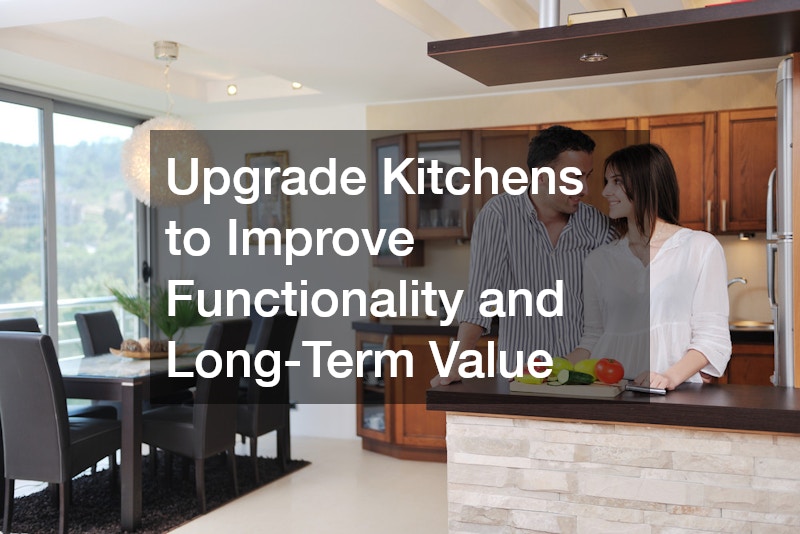
Kitchens are among the most frequently used spaces in any home, making them one of the most valuable areas for strategic upgrades. Countertops significantly influence both functionality and appearance, and selecting the right materials can improve durability, efficiency, and long-term property value.
Professional kitchen countertop installation ensures surfaces are properly fitted, sealed, and supported for daily use.
Important factors when selecting countertop materials include:
- Durability and scratch resistance
- Moisture tolerance
- Maintenance requirements
- Heat resistance
- Overall design compatibility
A wood countertop remains a popular choice because it adds warmth, natural texture, and design flexibility to kitchens. Wood surfaces complement a variety of design styles ranging from rustic to modern.
Benefits of wood countertops include:
- Timeless appearance
- Natural warmth and character
- Repairable surfaces through sanding and refinishing
- Versatility in design applications
However, proper maintenance is essential for preserving wood surfaces.
Recommended maintenance practices include:
- Sealing surfaces regularly
- Cleaning spills promptly
- Avoiding prolonged moisture exposure
- Using cutting boards and protective pads
Countertop upgrades should also coordinate with other kitchen improvements such as cabinetry, lighting, and appliance placement.
Additional ways to improve kitchen functionality include:
- Increasing prep and storage space
- Improving task lighting
- Enhancing traffic flow between work areas
- Adding durable backsplash materials
Thoughtful kitchen upgrades improve both everyday usability and long-term resale appeal.
Plan Remodeling Projects That Improve Comfort and Efficiency
Large remodeling projects require careful planning, budgeting, and coordination to achieve successful long-term results. Working with an experienced home renovation contractor helps homeowners organize projects more efficiently while avoiding costly mistakes or delays.
Renovation projects often involve multiple systems working together, including plumbing, electrical, structural, and HVAC improvements.
Common remodeling goals include:
- Improving layout functionality
- Increasing storage capacity
- Expanding living areas
- Modernizing outdated materials and systems
A qualified general contractor helps coordinate timelines, subcontractors, inspections, and material deliveries throughout the project.
Benefits of professional project management include:
- Better scheduling efficiency
- Improved quality control
- Reduced project delays
- More accurate budgeting
Homeowners should prioritize renovations that improve both functionality and long-term value.
High-impact remodeling projects often include:
- Kitchen upgrades
- Bathroom improvements
- Energy-efficient system replacements
- Storage and organization improvements
Budget planning is also essential for successful renovations.
Important budgeting considerations include:
- Material quality and durability
- Labor costs
- Permit and inspection fees
- Emergency contingency funds
Communication between homeowners and contractors is critical throughout the renovation process. Clear expectations and detailed project planning help reduce misunderstandings and costly changes during construction.
Well-organized remodeling projects improve comfort while supporting stronger long-term property value.
Create a Seasonal Home Maintenance Routine That Prevents Expensive Repairs
One of the best ways to protect a home is by organizing maintenance tasks into a structured seasonal routine. Seasonal planning allows homeowners to address small issues before severe weather or heavy system use creates larger problems.
Spring maintenance priorities often include:
- Inspecting plumbing systems for winter damage
- Servicing cooling systems before summer
- Cleaning gutters and drainage systems
- Inspecting exterior surfaces and caulking
Summer maintenance may involve:
- Monitoring cooling system efficiency
- Managing indoor humidity levels
- Checking irrigation and drainage performance
- Cleaning outdoor HVAC equipment
Fall preparation should focus on:
- Heating system inspections
- Sealing air leaks around windows and doors
- Cleaning drains and gutters
- Preparing plumbing systems for colder weather
Winter maintenance often includes:
- Preventing frozen pipes
- Monitoring indoor humidity levels
- Checking heating performance regularly
- Testing smoke and carbon monoxide detectors
Keeping organized maintenance records also helps homeowners track recurring issues and plan future upgrades more effectively.
Increase Property Value Through Consistent Maintenance and Smart Upgrades
Homes that receive consistent care and strategic upgrades generally maintain stronger resale value and attract greater buyer interest.
High-impact improvements often include:
- Efficient heating and cooling systems
- Updated kitchens and countertops
- Reliable plumbing infrastructure
- Modernized layouts and storage solutions
Buyers increasingly prioritize homes with documented maintenance history and updated systems because these properties appear more reliable and move-in ready.
Additional ways to improve long-term property value include:
- Maintaining strong curb appeal
- Addressing cosmetic damage promptly
- Choosing timeless materials and finishes
- Keeping utility spaces clean and organized
Preventative maintenance demonstrates responsible ownership while improving both comfort and long-term marketability.
Conclusion: Building a More Reliable, Efficient, and Comfortable Home
Maintaining and improving a home requires a proactive approach that balances preventative care with thoughtful upgrades. Every system within a home—heating, cooling, plumbing, drainage, and interior finishes—plays a role in overall comfort, efficiency, and long-term property value. When these systems are maintained consistently, homeowners experience fewer emergencies, lower repair costs, and greater daily comfort.
One of the most important lessons homeowners can apply is the value of prevention. Small plumbing leaks, airflow restrictions, drainage problems, or aging materials rarely improve on their own. In most cases, these concerns worsen gradually until they require much larger and more expensive repairs. Addressing issues early protects both the home’s structure and the homeowner’s financial investment.
Strategic upgrades also provide lasting benefits. Modernized kitchens improve functionality, efficient climate systems reduce utility expenses, and organized renovation projects create more usable living spaces. Together, these improvements help homes remain adaptable, efficient, and attractive for years to come.
Organization and planning are equally important. Seasonal maintenance schedules, realistic budgeting, and regular inspections help homeowners manage repairs more effectively while reducing the likelihood of costly surprises. Coordinated home care ensures systems continue operating reliably while supporting long-term efficiency and property value.
Ultimately, creating a more comfortable and functional home requires more than occasional repairs or cosmetic improvements. It involves a long-term commitment to preventative maintenance, strategic upgrades, and thoughtful planning. With the right approach, homeowners can protect their investment while creating living environments that remain reliable, efficient, and enjoyable for many years to come.